Steven Taylor
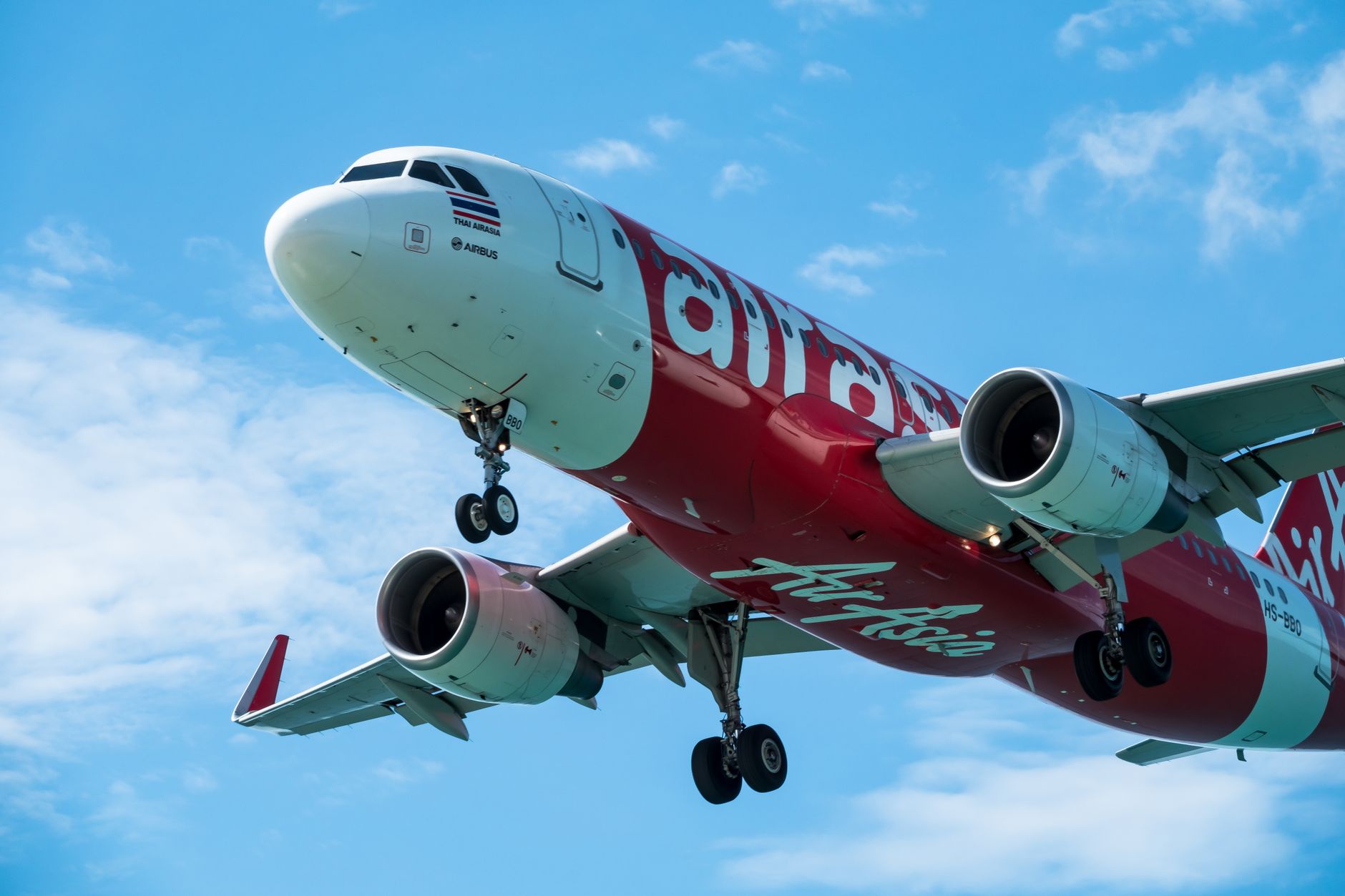
The India airfare crisis is affecting travelers across the country. With soaring prices and struggling airlines, passengers are left searching for solutions.
Understanding the India airfare crisis
The India airfare crisis has emerged as a significant concern for travelers across the nation. As prices soar, passengers are left wondering about the underlying causes of these high costs. Several factors contribute to this situation, making it challenging for airlines and consumers alike.
- Rising Fuel Costs: The global increase in fuel prices has directly impacted operating expenses for airlines.
- Limited Competition: A few dominant players in the market limit options for consumers, allowing airlines to maintain high fares.
- Seasonal Demand: Increased travel during holidays peaks demand, pushing prices higher.
- Regulatory Challenges: Government policies and taxes can affect pricing strategies.
These elements combined create a complex situation, making the India airfare crisis difficult to resolve.
Factors contributing to high airfare
The India airfare crisis can be attributed to several key factors that have driven ticket prices to unprecedented levels. These include:
- High Operational Costs: Airlines face increased fuel prices and maintenance expenses, which directly impact ticket pricing.
- Demand Surge: A post-pandemic travel boom has resulted in skyrocketing demand, further straining resources.
- Limited Capacity: Many airlines are operating with reduced fleets, limiting the number of available seats and pushing prices higher.
- Regulatory Challenges: Government policies and airport infrastructure constraints complicate operations and contribute to rising costs.
- Market Competition: While competition exists, it often leads to price wars that can destabilize the market.
These elements collectively paint a complex picture of the factors contributing to the ongoing India airfare crisis.
How airlines are responding to the crisis
Airlines in India are scrambling to address the ongoing airfare crisis as prices soar and customer dissatisfaction mounts. In response to the situation, many carriers are taking several measures:
- Increased Transparency: Airlines are working to provide clearer information regarding fare structures and potential surcharges, aiming to rebuild trust with passengers.
- Promotional Offers: Some airlines have introduced limited-time discounts to attract customers and fill seats, hoping to stimulate demand during off-peak times.
- Fleet Optimization: Airlines are reviewing their fleet management strategies, ensuring that aircraft are utilized efficiently to reduce operational costs.
- Customer Engagement: Enhanced customer service initiatives are being rolled out to address grievances and offer better support to travelers.
Despite these efforts, the India airfare crisis remains complex, with no immediate resolution in sight.
Tips for finding affordable flights
As travelers navigate the ongoing India airfare crisis, finding affordable flights may seem daunting. However, there are several strategies that can help ease the financial burden.
- Be flexible with travel dates: If possible, consider flying on weekdays or during off-peak seasons to secure better deals.
- Use flight comparison websites: Platforms that aggregate prices from multiple airlines can help identify the best options available.
- Book in advance: Early bookings often come with discounts, so plan your trips ahead of time.
- Sign up for fare alerts: Many travel websites offer notifications for price drops, ensuring you can snag a good deal.
- Consider alternative airports: Flying into or out of smaller airports might lead to significant savings.
The future of air travel in India
The future of air travel in India remains uncertain as the ongoing India airfare crisis continues to pose challenges for both airlines and passengers. With rising operational costs and fluctuating demand, airlines are grappling to find a sustainable business model. Experts suggest that innovation and investment in technology could play a crucial role in reshaping the industry.
Additionally, the government may need to reassess regulations to foster a more competitive environment. Key areas to focus on include:
- Improving airport infrastructure for efficiency
- Encouraging low-cost carriers to expand their networks
- Implementing consumer protection measures
As stakeholders address these issues, the hope is to create a more balanced airfare landscape that benefits travelers and airlines alike.
Photo by Yurix Sardinelly on Pexels