Steven Taylor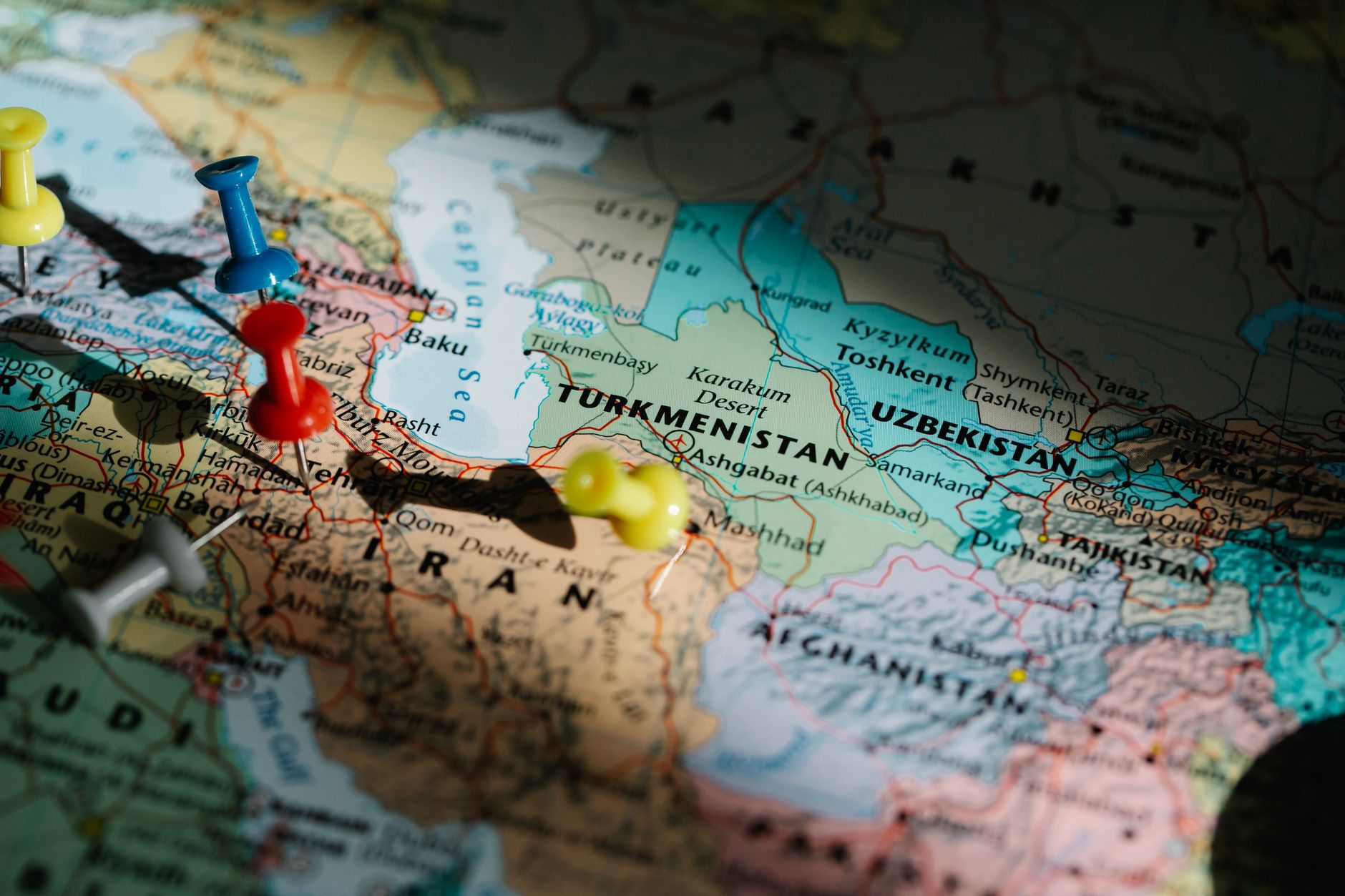
Central Asia visas are becoming a topic of discussion as the region explores the possibility of creating its own Schengen equivalent. This could lead to easier travel and economic growth.
Current Visa Regulations in Central Asia
The visa regulations in Central Asia have undergone significant changes in recent years, aiming to simplify travel across the region. As countries seek to boost tourism and regional cooperation, the approach to Central Asia visas is evolving.
Currently, several countries in the region offer visa-free travel or e-visas for citizens from numerous nations. These efforts are designed to enhance accessibility and promote cultural exchange. The key highlights include:
- Kazakhstan: Offers visa-free access for many countries, making it easier for tourists and business travelers.
- Uzbekistan: Introduced e-visas to streamline the application process.
- Tajikistan: Has plans to relax visa requirements in the near future.
These initiatives reflect a growing desire to create a more interconnected region, potentially paving the way for a Schengen-like agreement in Central Asia.
The Concept of a Schengen Equivalent
The idea of a Schengen equivalent for Central Asia has gained traction as a potential solution to streamline travel across the region. Currently, obtaining Central Asia visas can be cumbersome, with various requirements that differ from one country to another. This proposed system aims to simplify the process, allowing for greater mobility among citizens of Central Asian nations.
Key benefits of this concept include:
- Increased tourism: Easier access could boost visitor numbers across Central Asia.
- Stronger economic ties: Facilitating movement can enhance trade and collaboration between neighboring countries.
- Cultural exchange: A unified visa approach would promote shared experiences and understanding among diverse cultures.
As discussions continue, the hope is to create a framework that resonates with the needs of Central Asian travelers while fostering regional integration.
Benefits of Simplified Travel in the Region
The benefits of simplified travel in Central Asia are numerous and significant for both tourists and local economies. Streamlining Central Asia visas can foster greater cultural exchange and enhance tourism opportunities across the region. With fewer barriers, travelers can explore the diverse landscapes and rich histories without the hassle of complicated visa processes.
Moreover, an easier visa system can:
- Encourage Regional Cooperation: Nations can work together to promote mutual interests and shared growth.
- Boost Economic Development: Increased tourism can lead to job creation and investment in local businesses.
- Enhance Accessibility: Simplified travel makes the region more inviting for international visitors.
Ultimately, a unified approach to Central Asia visas could transform the travel experience, making it seamless and enjoyable for everyone.
Challenges to Implementing a Visa-Free Zone
Implementing a visa-free zone in Central Asia presents several challenges that must be addressed to ensure smooth travel across the region. One significant hurdle is the differing visa regulations among the Central Asian countries, which complicates the harmonization process. Each nation has its own set of rules regarding entry and exit, making it difficult to establish a unified framework.
Additionally, political tensions among some countries can hinder cooperation on visa policies. There is a need for trust and collaboration to create a system that benefits all parties involved.
Moreover, the lack of infrastructure and resources to manage increased cross-border travel poses logistical challenges. To overcome these obstacles, stakeholders must engage in dialogue and share best practices to create a streamlined approach to Central Asia visas, ultimately promoting tourism and regional integration.
Comparative Analysis with the EU Schengen Area
When comparing Central Asia visas to the EU Schengen Area, several key differences emerge that highlight the potential for a more streamlined travel experience. The Schengen Area allows for borderless travel among member countries, which significantly enhances mobility for tourists and business travelers alike. In contrast, Central Asia currently maintains a more fragmented visa system, complicating cross-border travel.
Despite these challenges, there is a growing interest in establishing a visa-free zone in Central Asia, which could mirror the Schengen model. This would not only simplify the process of obtaining Central Asia visas but also potentially boost tourism and economic cooperation in the region.
However, political and logistical hurdles remain. The success of such an initiative would depend on collaborative efforts among Central Asian nations to harmonize their regulations and foster a sense of regional unity.
Potential Economic Impact of Easier Travel
The potential economic impact of easier travel through simplified Central Asia visas is substantial. By removing barriers, the region could see a boost in tourism, trade, and investment. With streamlined access, more travelers would be encouraged to explore the diverse cultures and landscapes of Central Asia, leading to increased spending in local economies.
Moreover, businesses could benefit significantly from enhanced connectivity. Cross-border collaborations would flourish, allowing for the sharing of resources and expertise. This integration could prompt the emergence of new markets and opportunities for entrepreneurs.
Furthermore, when travel becomes easier, the workforce can move more freely, fostering a dynamic labor market. In conclusion, the economic advantages of simplified Central Asia visas could transform the region, encouraging growth and prosperity for its nations.
Future Prospects for Central Asian Cooperation
As Central Asia increasingly embraces cooperation, the future of visa regulations in the region looks promising. Countries are recognizing the potential of simplified travel, which could lead to a collective effort towards a visa-free zone. This vision aligns with the growing interest in Central Asia visas as a means to strengthen economic ties and foster cultural exchange.
Key initiatives are already underway, aimed at harmonizing visa policies and promoting regional integration. Stakeholders are hopeful that by working together, Central Asian nations can create a framework that rivals the EU’s Schengen Area, offering a seamless travel experience.
As discussions progress, the focus remains on addressing existing challenges and building a consensus among member states. Ultimately, the success of this endeavor could serve as a catalyst for broader regional collaboration and development.
Photo by Lara Jameson on Pexels