Steven Taylor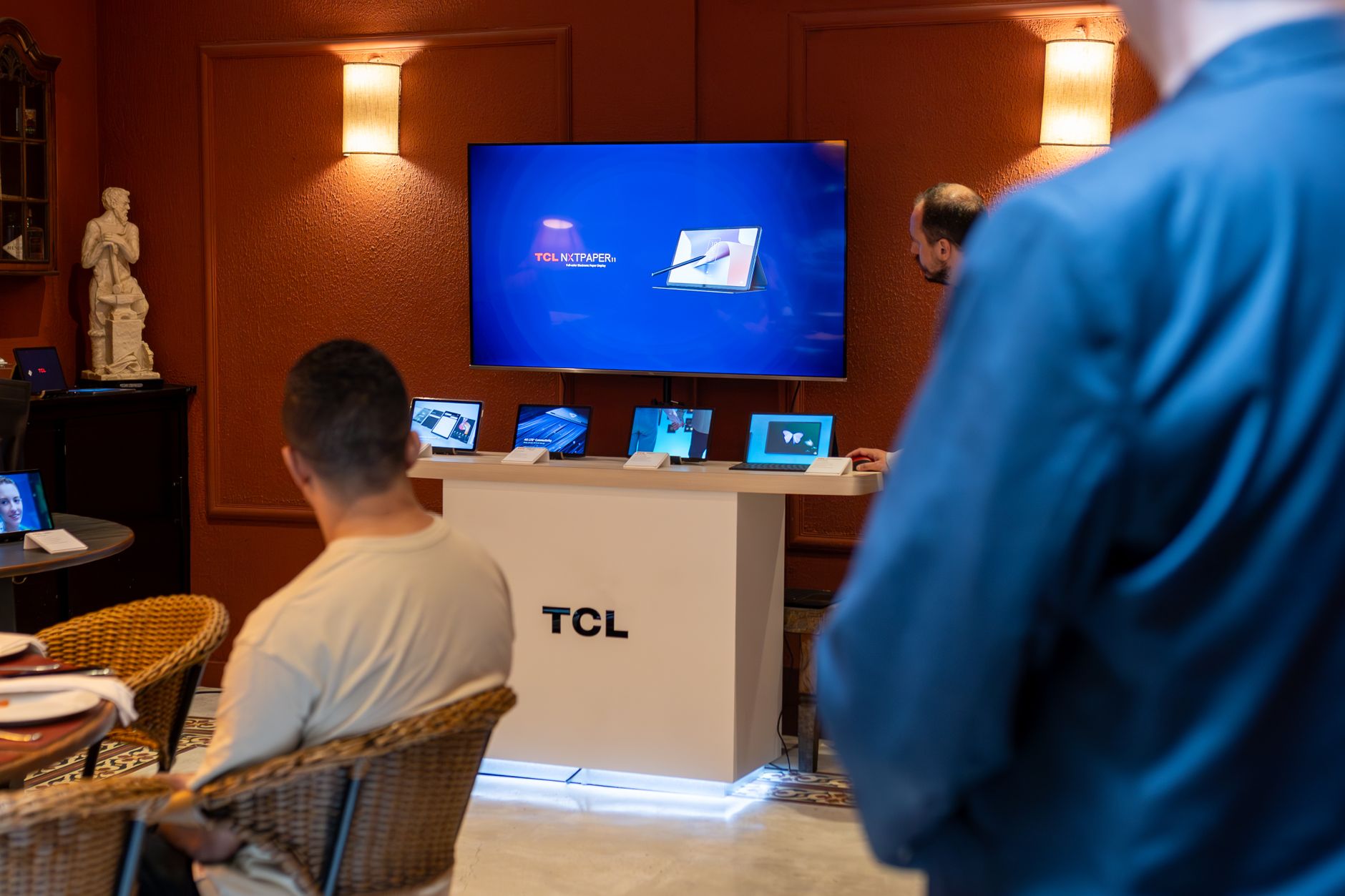
hotels as brand showrooms are becoming a new trend in the hospitality sector. This shift allows brands to showcase their identity and products in a unique setting.
The Rise of Hotels as Brand Showrooms
In recent years, the hospitality industry has witnessed a significant shift with the emergence of hotels as brand showrooms. This innovative trend allows brands to showcase their identity and products in a tangible environment, creating immersive experiences for guests.
As consumers seek authenticity and connection, hotels have evolved beyond traditional accommodations. They now serve as curated spaces where brands can engage directly with their audience. This strategy not only enhances the guest experience but also reinforces brand loyalty.
Several high-profile collaborations have highlighted this trend:
- Luxury fashion brands have partnered with boutique hotels to create exclusive collections available only on-site.
- Tech companies have designed smart rooms featuring their latest innovations, allowing guests to experience cutting-edge technology firsthand.
- Art institutions have transformed hotel lobbies into galleries, showcasing local artists and attracting art enthusiasts.
This shift demonstrates how hotels as brand showrooms can redefine the relationship between consumers and brands, merging hospitality with lifestyle marketing.
Why Brands are Choosing Hotels
In recent years, a noticeable shift has occurred in the hospitality industry as brands increasingly view hotels as brand showrooms. This trend can be attributed to several compelling reasons.
- Experiential Marketing: Hotels provide a unique opportunity for brands to create immersive experiences. Guests can interact with products in real-life settings, enhancing their connection to the brand.
- Targeted Demographics: Many hotels cater to specific audiences, allowing brands to reach potential customers who are already aligned with their values and lifestyle.
- Luxury and Exclusivity: By associating with high-end hotels, brands can elevate their image and convey a sense of luxury, helping to attract affluent consumers.
- Increased Visibility: Hotels often showcase products in common areas, such as lobbies and restaurants, providing continuous exposure to guests, which can lead to increased brand awareness.
As a result, more companies are recognizing the potential of hotels not just as places to stay, but as strategic marketing tools that enhance their brand presence.
Benefits of Hotel Showrooms for Brands
The trend of hotels as brand showrooms offers several advantages for companies looking to enhance their visibility and customer engagement. By transforming hotel spaces into immersive brand experiences, businesses can create a unique environment that resonates with guests.
One significant benefit is direct customer interaction. Hotels provide an opportunity for brands to showcase their products in real-life settings, allowing guests to experience them firsthand. This experiential marketing approach can foster a deeper emotional connection with the brand.
Additionally, hotels can serve as an effective marketing platform. As guests often share their experiences on social media, brands can gain organic exposure through user-generated content. This visibility can enhance brand recognition and attract new customers.
Furthermore, the collaboration between hotels and brands can lead to increased revenue. By hosting events or exclusive promotions, hotels can attract more guests, while brands benefit from the additional foot traffic and sales opportunities.
Overall, utilizing hotels as brand showrooms is a savvy strategy that leverages the hospitality industry for marketing innovation.
Case Studies of Successful Hotel Showrooms
Several brands have successfully transformed hotels into effective brand showrooms, creating immersive experiences for their guests. One notable example is the Marriott’s M Beta in Charlotte, North Carolina. This innovative hotel features interactive spaces where guests can engage with the latest technology and design elements, showcasing the brand’s commitment to modernity and hospitality.
Another case is the W Hotel chain, which has embraced the concept by incorporating local art and cultural elements into their decor. This not only elevates the guest experience but also serves as a platform for local brands to gain visibility, further blurring the lines between hotels and brand showrooms.
Additionally, the Hotel Indigo brand focuses on creating unique experiences that reflect the local community. Each hotel serves as a showroom for regional culture, blending the essence of the locale with the brand’s identity.
These examples illustrate how hotels as brand showrooms can enhance brand visibility while providing guests with unforgettable experiences.
Challenges in Implementing Brand Showrooms
Despite the growing popularity of hotels as brand showrooms, several challenges hinder their successful implementation. Firstly, cost management can be a significant hurdle. Transforming a hotel into an effective brand showroom requires substantial investment in design, amenities, and staff training to ensure that the brand experience aligns with the hotel’s offerings.
Secondly, brand alignment poses a challenge. Not all hotel brands can seamlessly integrate with the identity of the product brands they wish to showcase. This misalignment can lead to a disjointed experience for guests, detracting from both the hotel and the brand’s image.
Furthermore, staff training is essential for delivering a cohesive brand experience. Employees need to understand the brand’s values and messaging to engage guests effectively, which can be time-consuming and resource-intensive.
Finally, customer expectations must be managed carefully. Guests visiting hotels as brand showrooms often have high expectations, and failing to meet these can result in negative reviews and damage to both the hotel and the associated brands.
Future of Brand Showrooms in Hospitality
The future of brand showrooms in hospitality looks promising as the trend of hotels as brand showrooms continues to gain traction. As consumer preferences shift towards immersive experiences, hotels are increasingly being designed to showcase brands in a way that resonates with guests on a personal level.
One significant development is the integration of technology in these hotel environments. Virtual and augmented reality can enhance guest experiences, allowing them to interact with products in a uniquely engaging manner. This not only elevates the brand but also enriches the overall stay.
Additionally, sustainability is becoming a focal point in hotel design. Brands that prioritize eco-friendly practices will likely attract a more conscious consumer base. Hotels as brand showrooms can serve as platforms for brands to highlight their commitment to sustainability, further appealing to environmentally aware guests.
Moreover, collaboration between hospitality and retail sectors may lead to innovative concepts that blur the lines between the two, creating more dynamic and engaging spaces. Ultimately, the evolution of hotels as brand showrooms reflects a broader shift towards experiential marketing in the travel industry.
Conclusion: The Shift in Hotel Marketing
As the hospitality industry continues to evolve, the concept of hotels as brand showrooms is reshaping marketing strategies. This shift highlights a significant transformation in how brands engage with consumers, allowing for immersive experiences that traditional advertising cannot replicate. By integrating their products and services within hotel environments, brands can create authentic interactions that resonate with guests.
Moreover, the trend is not merely a passing phase; it reflects a deeper understanding of consumer behavior. Travelers increasingly seek experiences over mere accommodations, prompting brands to leverage hotel spaces as platforms for storytelling and engagement. This approach not only enhances brand visibility but also fosters loyalty among consumers.
In conclusion, as the boundaries between hospitality and branding blur, hotels as brand showrooms present opportunities for innovation and collaboration. Brands that embrace this trend can expect to see a more profound connection with their audience, making it a smart marketing strategy for the future of the industry.
Photo by Matheus Bertelli on Pexels