Steven Taylor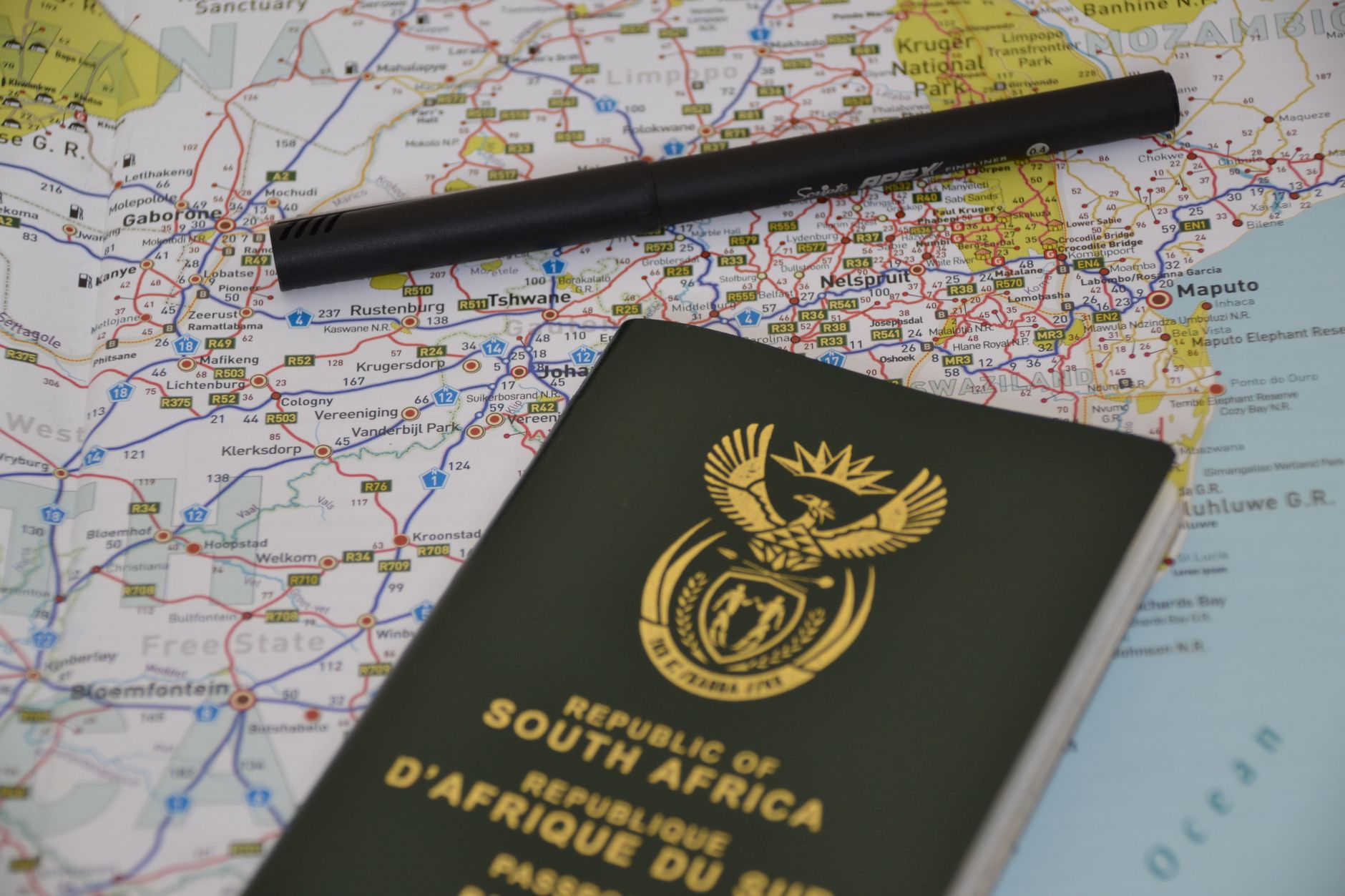
Trump visa ban South Africa is a significant development in immigration policy, impacting those accused of Afrikaner discrimination.
Overview of Trump’s Visa Ban
In a significant move, former President Donald Trump has implemented a visa ban targeting South Africans linked to accusations of Afrikaner discrimination. This decision has drawn mixed reactions, highlighting the complexities surrounding race relations in South Africa.
The visa ban aims to address concerns regarding the treatment of Afrikaners, a group of South African descendants of Dutch, German, and French Huguenot settlers. Many supporters of the ban argue that it is a necessary step to protect the rights of Afrikaners, who have faced increasing violence and discrimination in recent years.
Critics, however, view the ban as a politically motivated act rather than a genuine attempt to foster equality. They argue that such measures could exacerbate tensions between different racial groups within South Africa. The implications of Trump’s visa ban extend beyond borders, affecting diplomatic relations and perceptions of justice in a nation still grappling with its apartheid past.
- Supporters claim it safeguards Afrikaner rights.
- Critics argue it fuels racial tensions.
Impact on South African Nationals
The recent Trump visa ban targeting South African nationals has stirred significant debate regarding its implications for the local population. While the ban is aimed at those accused of Afrikaner discrimination, its effects could extend far beyond its intended scope.
Many South Africans, especially those from marginalized communities, fear that this decision may exacerbate existing tensions and lead to further isolation. The ban has raised concerns about the potential backlash against ordinary citizens who are not involved in any discriminatory practices.
Key impacts include:
- Increased Emigration: Many South Africans may seek to leave the country as they perceive dwindling opportunities.
- Economic Consequences: A reduction in skilled labor could hinder economic growth and development.
- Travel Restrictions: Families and individuals may face challenges in visiting or relocating to the United States.
As the situation evolves, ongoing discussions will be crucial in determining whether the Trump visa ban will yield positive outcomes or further complicate the landscape for South Africans.
Understanding Afrikaner Discrimination
Afrikaner discrimination has been a contentious issue in South Africa, rooted in the country’s complex history of apartheid and its aftermath. Discrimination against Afrikaners, particularly regarding employment and social services, has sparked debates about fairness and equality in a nation striving for reconciliation.
In recent years, allegations have surfaced regarding biased policies that favor certain groups over Afrikaners, leading to claims of systemic injustice. Many Afrikaners feel marginalized and believe their cultural identity is under threat, as some government programs seem to prioritize racial demographics over merit.
The Trump visa ban on South Africans accused of such discrimination aims to address these concerns. The ban has raised questions about whether it can effectively mitigate tensions and promote a more equitable landscape.
As the debate continues, it remains crucial to examine how historical grievances shape present-day policies and the implications these have for all South Africans, regardless of their ethnic background.
Reactions to the Visa Ban
The recent Trump visa ban targeting South Africa has sparked a variety of reactions from citizens and political leaders alike. Many supporters of the ban argue that it is a necessary step to address the serious issue of Afrikaner discrimination within the country. They believe that holding accountable those responsible for such injustices is essential for fostering a more equitable society.
On the other hand, critics of the Trump visa ban see it as an overreach that could harm innocent individuals who are not involved in discriminatory practices. They express concern about the potential impact on academic and business exchanges between South Africa and the United States, arguing that collaboration is vital for progress.
Furthermore, some South African officials have issued statements condemning the decision, claiming it undermines diplomatic relations. They urge a more nuanced approach to addressing discrimination, one that promotes dialogue rather than isolation.
As the debate continues, it remains clear that the Trump visa ban will have lasting implications for diplomatic ties and social dynamics in South Africa.
Future of U.S.-South Africa Relations
The recent decision by former President Trump to implement a visa ban on South Africa has raised significant questions about the future of U.S.-South Africa relations. While the move has been framed as a response to allegations of Afrikaner discrimination, its long-term implications could affect diplomatic ties between the two nations.
Historically, the U.S. has maintained a complex relationship with South Africa, marked by its stance against apartheid and support for democracy. However, the Trump visa ban signals a shift towards a more isolationist approach, particularly concerning human rights issues.
As both countries navigate the fallout, several key factors will play a role in shaping their future interactions:
- Economic Ties: Trade agreements and investments could be jeopardized, impacting both economies.
- Political Climate: Future U.S. administrations may have different approaches to South Africa.
- Cultural Exchange: Academic and social programs may suffer due to restrictions on travel.
Ultimately, the direction of U.S.-South Africa relations will depend on how both nations choose to address the underlying issues of discrimination and human rights moving forward.
Legal Implications of the Ban
The legal implications of the Trump visa ban affecting South Africa are complex and multifaceted. The decision stems from allegations of systemic discrimination against the Afrikaner population, which has raised significant human rights concerns. By blocking visas for South Africans linked to these allegations, the Trump administration aims to address what it perceives as an urgent issue within the realm of international human rights.
Legal experts suggest that this action could set a precedent for how the U.S. responds to human rights violations globally. The ban may also lead to diplomatic tensions as South Africa navigates its own legal frameworks regarding discrimination and human rights. Critics argue that the visa ban could be seen as an overreach of U.S. authority in international matters, complicating the legal landscape further.
As the situation develops, it will be crucial to monitor how affected individuals challenge the ban and what legal recourse is available to them. The implications of the Trump visa ban will undoubtedly resonate beyond this immediate context, influencing future policy and international relations.
The Trump visa ban South Africa has sparked intense debate among those concerned about Afrikaner discrimination. Supporters argue that the Trump visa ban South Africa is a necessary step to address the ongoing issues faced by this community.
Photo by Tyler Leigh Vivier on Pexels
Where this came from
Related reading
India-Philippines flights: Best new travel option for tourists · Direct Flights to India: Clear Benefits for Travelers · Somalia tourism jobs: Proven growth and opportunity